This isn't just about aesthetics. The finish you choose affects perceived brand quality, how well a piece survives mailing or repeated handling, and how far your print budget stretches across a run. A soft touch invitation might make a stronger first impression, but a matte brochure that gets mailed to 10,000 prospects needs to survive the trip.
This guide breaks down what separates these two finishes, where each one earns its keep, and how to decide which fits your next marketing project.
Key Takeaways
- Soft touch delivers a velvety, suede-like texture ideal for premium invitations and executive cards.
- Matte offers a smooth, non-glossy finish at lower cost for high-volume brochures and mailers.
- Soft touch shows fingerprints and scuffs faster; matte withstands heavier handling.
- The right choice depends on brand positioning, handling conditions, and budget per piece.
Soft Touch vs Matte Lamination: Quick Comparison
Before diving into the details, here's how the two finishes stack up across the factors that matter most to marketing teams:
| Factor | Soft Touch Lamination | Matte Lamination |
|---|---|---|
| Cost | Higher: specialty film adds production cost | Lower: standard film, widely available |
| Texture | Velvety, suede-like, warm to the touch | Smooth, flat, low-sheen |
| Durability | Shows fingerprints and scuffs more easily | Better resistance to scratches under regular handling |
| Visual look | Deep matte tone with soft light diffusion | Clean, non-glare surface |
| Best for | Premium, low-volume, high-impact pieces | High-volume, frequently handled materials |
Neither film has a published industry-wide cost multiplier, so always request quotes for your exact stock, size, and quantity before locking in a decision.
Soft Touch Lamination: The Premium Feel
Soft touch lamination is a film-based finishing process that bonds a velvety, low-sheen film to printed materials using heat and pressure. Marketing teams request it when a piece needs to feel as premium as it looks: think a business card that lingers in someone's pocket rather than getting tossed in a drawer.
Why Teams Choose It
The appeal goes beyond looks:
- Elevates perceived brand value through a tactile, upscale surface
- Improves engagement: recipients tend to hold and handle soft touch pieces longer
- Adds moderate wear protection during normal handling
- Pairs well with spot UV or foil stamping, creating contrast between a glossy logo and the velvety background
That contrast effect (matte body, glossy accent) is one of the most requested combinations for premium folders and invitations.
Where Soft Touch Earns Its Keep
Soft touch shows up most often in:
- Premium business cards and executive stationery
- Presentation folders and pitch decks
- High-end invitations
- Luxury product catalogs
Industries leaning into it include luxury retail, real estate, hospitality, and any brand trying to make a memorable first impression with a limited print run.
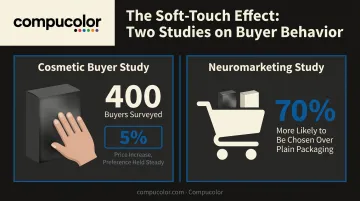
There's research behind the instinct to reach for it. A peer-reviewed study of 400 cosmetic buyers found that soft-touch coating was preferred over no tactile coating at all. The preference held even with a 5% price increase, according to research published through RIT's Journal of Applied Print and Packaging Technology.
Separately, a commissioned neuromarketing study found packages with soft-touch laminate were 70% more likely to be chosen over plain versions, according to Packaging Digest's coverage of the study. Both studies focused on packaging rather than business collateral, but the signal carries over: touch shapes perception.
Matte Lamination: The Reliable Workhorse
Matte lamination applies a thin, non-reflective film that reduces glare and creates a smooth, sophisticated surface. It's the finish most commercial printers reach for by default, and there's a reason it's become the everyday standard.
Why It's the Default Choice
Matte earns its spot in high-volume production for practical reasons:
- Improved readability under office and retail lighting, thanks to reduced glare
- Stronger scratch and scuff resistance compared to uncoated stock
- Lower cost per piece, especially at scale
- Fast, scalable production since it's one of the most standard finishing options across commercial printing
That last point matters more than it sounds. Standard matte film doesn't require specialty sourcing or extended setup time, which keeps turnaround predictable on big runs.
Where Matte Fits Best
You'll see matte lamination on:
- Brochures and sales sheets
- Direct mail postcards
- Catalogs and menus
- Everyday business cards that get passed around often
It dominates in retail flyers, publishing, and direct mail campaigns where durability during transit matters as much as appearance.
Even standard matte film isn't scratch-proof, though. Cosmo Films' technical documentation warns that rough handling can still mar the surface, which is why print shops offer scuff-resistant matte grades for pieces headed into heavier wear.
Soft Touch vs Matte: Which Is Better for Your Project?
There's no universal winner here. The right call comes down to four factors:
- Brand positioning: Are you signaling luxury or reliability?
- Handling pattern: Will this piece be touched once or handled repeatedly for weeks?
- Budget per unit: What can you afford across the full print run?
- Desired shelf life: Does this need to look pristine for a single event or hold up over months?
Choose soft touch if:
- Creates a one-time, high-impact impression (VIP invitations, executive cards)
- Suits budgets that allow premium film on a smaller run
- Makes the tactile experience part of the brand story
Choose matte if:
- Involves printing thousands of pieces for direct mail or retail distribution
- Requires handling, mailing, or stacking repeatedly
- Prioritizes cost-efficiency and durability over the premium feel
Real-World Example: Choosing the Right Finish for a Marketing Campaign
Picture a mid-size real estate firm preparing for two different needs at once: a stack of listing presentation folders for high-net-worth buyers, and a 15,000-piece direct mail postcard drop announcing a new development.
| Project | Priority | Finish Chosen | Why It Worked |
|---|---|---|---|
| Listing folders | Premium feel for high-net-worth buyers | Soft touch + foil-stamped logo | Small run and narrow audience justified the higher per-unit cost |
| Postcard drop | USPS durability, tight per-piece budget | Matte lamination | Scuff resistance without inflating cost across 15,000 pieces |
The deciding factor in both cases came down to volume and handling, not preference. A firm running a dual campaign like this (small, premium folders alongside a large mail drop) benefits from a printer that can pivot between finishes without slowing either job down.
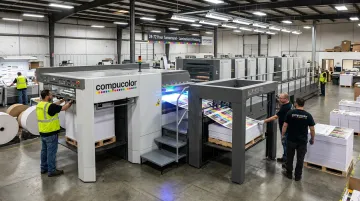
Compucolor's in-house creative services and H-UV coating capability on its Komori press support quick turnaround, with most orders ready in 24 to 72 hours — useful when a listing presentation is due the same week as a mail deadline.
If you're weighing finish options for an upcoming print project, get an accurate quote before locking in your run size.
Conclusion
Neither soft touch nor matte lamination is universally "better." The right pick depends on how the piece will be used, who's going to handle it, and what impression your brand needs to make in that moment.
For marketing teams, the decision comes down to three practical outcomes:
- Cost per piece
- Durability through mailing or repeated handling
- Lasting impression left on prospects and clients
Get those three factors right, and the finish takes care of itself. Compucolor's finishing team runs both laminates in-house, matching the right option to each print job.
Frequently Asked Questions
What type of lamination is best?
There's no single "best" type. Soft touch suits premium, low-handling pieces like invitations, while matte works better for high-volume or frequently handled materials like brochures and direct mail.
What is soft touch lamination?
It's a film bonded to printed material using heat and pressure, creating a velvety, suede-like texture. It's often chosen when a piece needs to feel as premium as it looks.
What does soft touch lamination look like?
Expect a deep matte tone with subtle light diffusion and a smooth, velvety surface. It feels warmer and more tactile than standard matte film.
Is matte lamination cheaper than soft touch lamination?
Generally, yes. Matte uses a standard film and process, while soft touch requires specialty film that adds production cost.
Can lamination be combined with spot UV or foil stamping?
Yes. Both matte and soft touch pair well with spot UV or foil accents, creating visual contrast that's commonly used on business cards and premium brochures.
Does lamination affect how a print piece ages over time?
Lamination protects printed surfaces either way, though no verified data shows one finish resists yellowing better over time. For pieces with a long shelf life, ask Compucolor about UV-resistant film options.